Early Access

Know what's
actually there.

Scan any area on the map and get every business inside it — then rank them against your own preferences. No promoted listings, no black-box algorithm.

By invitation. Early access — limited seats while we expand coverage.
§ 01 · Vision

The map should answer the question, not the algorithm.

Most discovery tools don't show you what's in a place — they show you what someone paid to put in front of you. Listings get re-ordered by ad spend, by predicted clicks, by how well your profile matches a sponsor.

Fieldwork is the opposite. You draw a region. We return everything inside it. Same query, same answer, no matter who's asking.

Built for anyone who wants a complete, unfiltered picture of what's around them — and the power to rank it by what they actually care about, not what an algorithm decided for them.

100%
Coverage of the grid you scan
0
Promoted listings, ever
5km
Max scan radius per query
§ 02 · How it works

Two tiers. Geography first, then you.

Two passes. First: every business inside your drawn area, straight from the map. Second: reordered by whatever you actually care about.

Draw an area, get everything inside it

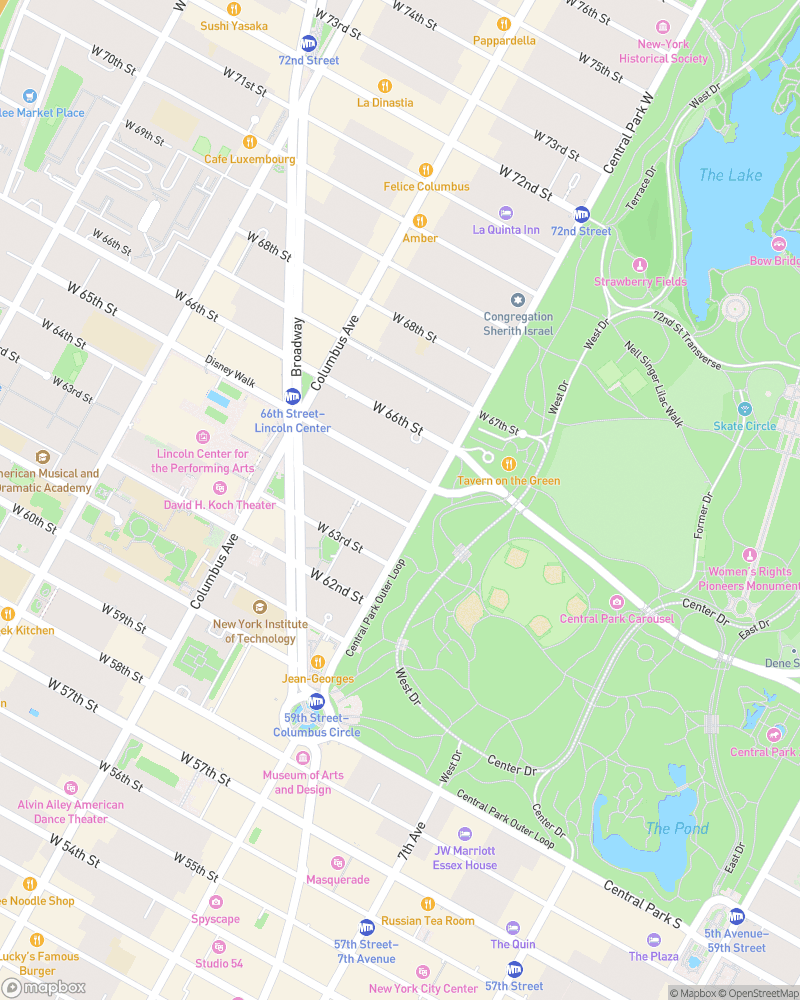
Set your search area (250m to 5km) and Fieldwork returns every business inside the grid — pulled straight from the map, no promotion, no filtering. What's there is what you see.

Step 1Tier 1 · Coverage

Rank by what you actually care about

Tell Fieldwork your preferences once — what matters to you, what to ignore — and the results reorder around them. The coverage never changes; only the order is yours.

Step 2Tier 2 · Ranking
§ 03 · How Fieldwork compares

You decide, not the algorithm.

Most discovery apps curate what you see. Fieldwork shows you everything that's there — then lets you rank it your way.

Fieldwork Google Maps Yelp
Coffee shops found in the same NYC neighborhood 33 results · 0 promoted 16 results · 33 promoted 7 results · 8 promoted
Ranking control Your preferences, your order Google's algorithm Yelp's algorithm
Promoted listings None, ever Yes Yes
Draw an exact search boundary Yes — tile grid with preview No No
Saved search history Every scan stored No No
Business model Token subscription Advertising Advertising
§ 04 · Pricing

Tokens, not subscriptions to nothing.

Every plan is a monthly bucket of scan tokens. Your token count is your scan ceiling — each scan costs at least 1 token, and denser areas with more businesses cost more. The exact cost is shown in the app before you confirm.

Private Beta
Free
100 tokens / month

Currently invite-only. Get a feel for the tool while we expand coverage.

  • 100 tokens / month · at least 5 searches*
  • Web access
  • Full search history
  • 1 bookmark list
  • High detail effort tier only
Cartographer
$9.99/ month
12,000 tokens / month

For heavy users who scan frequently across large or dense areas.

  • 12,000 tokens / month · at least 665 searches*
  • Priority scan queue
  • Per-region tags & metadata
  • Priority email support

* Minimum estimate based on a typical search. Actual number of searches per month varies by area density and level of detail used in each scan.

§ 05 · FAQ

Common questions.

Why is Fieldwork invite-only?

We're in private beta. Each scan hits live mapping APIs and our own enrichment pipeline, so we keep the cohort small enough that everyone gets fast, accurate results. Invites lift in batches as our coverage and infrastructure stabilize.

How does token pricing work?

Each plan gives you a monthly bucket of scan tokens. Your token count is your maximum number of scans — each scan costs at least 1 token, and denser areas with more businesses inside them cost more. A quiet residential block might cost 1 token; a packed downtown grid could cost several. The exact cost is shown in the app before you confirm.

What happens to unused tokens at the end of the month?

Paid tiers (Surveyor and Cartographer) roll unused tokens over for one cycle, then they expire. Private Beta tokens reset every month and don't roll over.

Where does the business data come from?

Results come from established mapping providers — Google, Mapbox, OpenStreetMap, and other licensed sources. Their coverage is what determines what's available in any given area.

Do you sell my data or use it to train models?

No. Searches are stored privately under your account, encrypted at rest. We do not sell, share, license, or use them to train AI models.

§ 06 · Legal

The essentials.

By signing in to Fieldwork you agree to our Terms of Service. We don't sell your data, we don't use it to train models, and we bill through Stripe. The full details are one click away.

Terms of Service Privacy Policy